
The true record of every surgical case
Pare captures what each case opened, used and billed, so every implant is billed and preference cards match how surgeons operate.
Book a call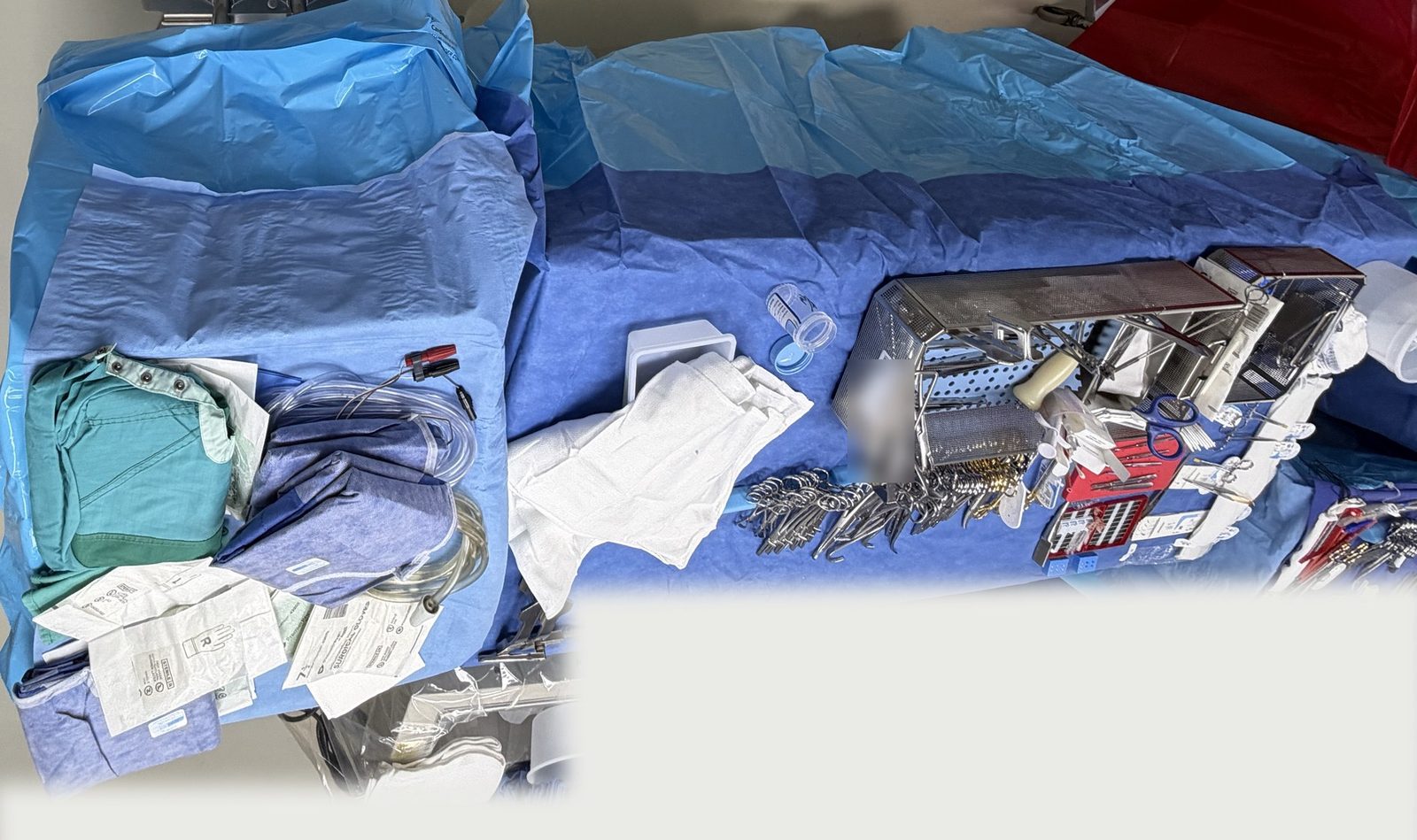 OR 2 · Back table at setup
Pare combines two photos per case with the billing data and preference cards you already have, so nothing used goes unbilled and nothing wasted goes unnoticed.
How Pare works
One loop, every case. Your staff add two taps. Your team approves every change.
A tablet takes one photo of the back table after setup, and one of the unused items at close. That's the whole record.
- One tap at setup, one at close
- No scanning, nothing new during the case
- Photos of supplies only, never people
Pare checks each case against its implant record and charges, so missed charges are fixed before the claim goes out.
- Every implant matched to its charge
- Missing POs and invoices flagged
- Your billing team approves each fix
Items that keep coming back unused become card updates, drafted for the surgeon to sign.
- Based on each surgeon's own cases
- Items move to hold sealed, never off the card
- Emergency items never move
Each case's pick list shows what to open and what to hold sealed, based on how that surgeon actually operates.
- Open now or hold sealed, per item
- Built from the last 20 cases
- Ready when the core pulls the cart
07:12 · SetupCase 2047 · sample. Unused items are read against what this case opened.
Supply data is only as good as how it's captured
The problems with manual capture
Documented late
Implants and supplies get logged after the case, from stickers and memory.
Never documented
What's opened and thrown away isn't recorded anywhere.
Cards go stale
Preference cards get copied forward for years, extras and all.
Pare closes the gap
Captured as it happens
Two photos per case, at setup and at close.
Checked before billing
Every implant matched to its charge before the claim goes out.
Fixed, not reported
Pare drafts the fix. Your team approves it.
Better margins from one record of every case
What surgery centers get from Pare.
- Recover implant revenue
- Cut supply waste
- Keep cards current
- Prepare every case right
- Audit-ready records
- No added work in the case
Support your whole surgery center
Each team sees the part of the record it needs.
Administrators
- Recovered charges and waste, every month
- Supply cost per case, by surgeon
- One record across every OR
Billing
- Missed implant charges, same day
- The records behind every finding
- Fixed before the claim goes out
Materials
- Card updates backed by real cases
- Pick lists ready the day before
- Less opened, less thrown away
Surgeons and nurses
- Cards that match how you operate
- One tap at setup, one at close
- Emergency items never move
Frequently asked questions
Does Pare slow down turnover?
No. Staff tap once after setup and once at close, when unused items go in a tray. There's no scanning and nothing new during the case.
Does Pare need an EHR integration?
Not to start. Pare works from exports you already have: the implant record, charges, purchase orders and invoices. It reads them and never writes back.
What can actually be recovered?
Separately billable implants, such as those carved out in payer contracts. Most supplies are bundled into the procedure payment, so for those Pare lowers cost by fixing preference cards instead.
Does Pare change charges or cards on its own?
No. Pare drafts each fix and names who approves it. Billing posts charges in your own system, and surgeons sign card changes.
What about privacy?
The tablet photographs supplies on the back table and in the tray, never people. We sign a BAA before any data is shared.
Draft in the format of apella.io/product. The back-table photo needs the facility's written permission before this page is shared or published; its outlines are illustrative, not model output. All cases and numbers are samples from a fictional site.